

Germany
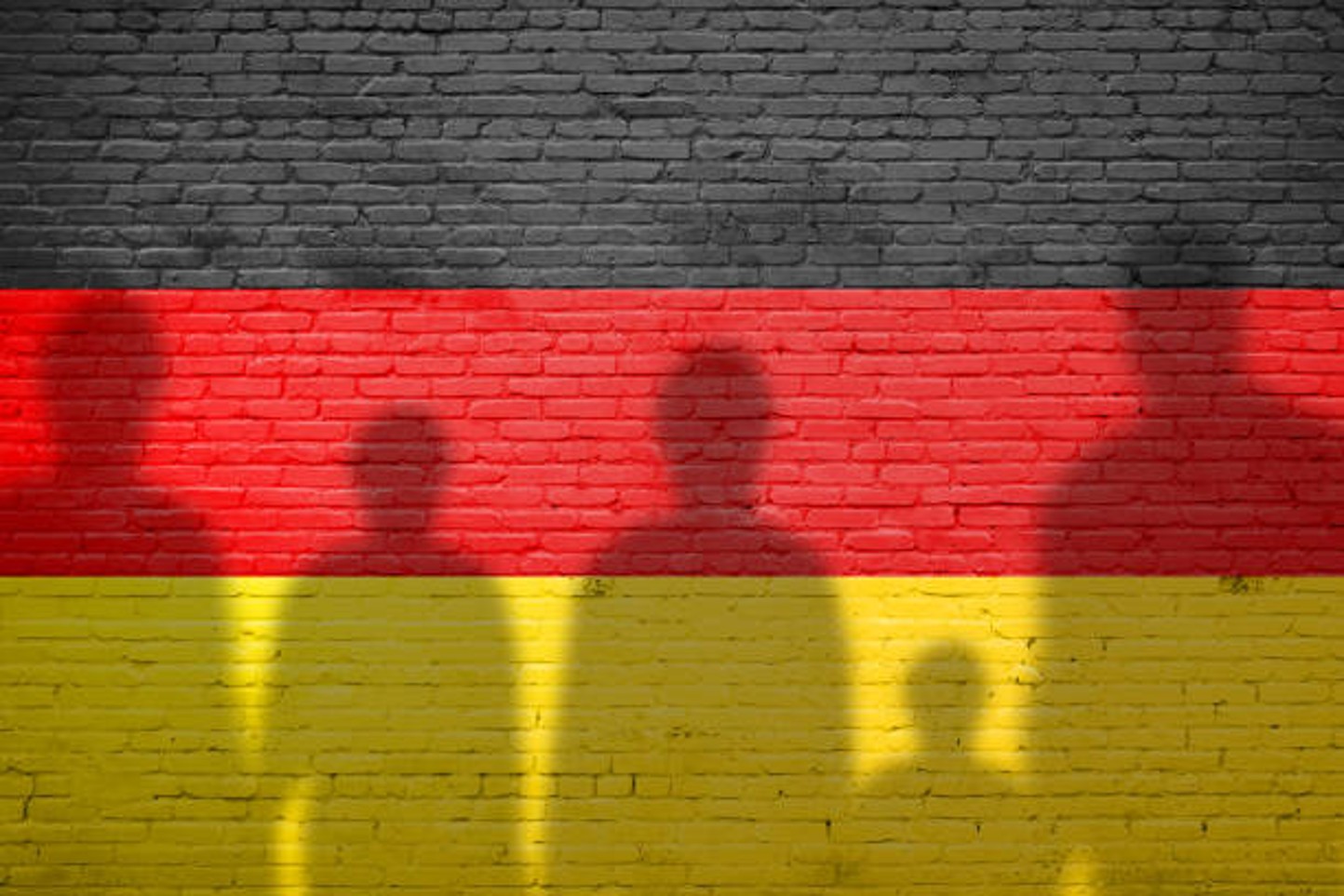
Germany (Deutschland), officially the Federal Republic of Germany (Bundesrepublik Deutschland), is located in Central and Western Europe, covering an area of 357,000 square kilometers. It is the world’s third most populous developed country, composed of 16 federal constituent entities. Berlin is the largest city and is the capital. As of 2024, its population was approximately 84.74 million, making it the most populous country in the European Union and the world’s second-largest destination for migrants.
Germany played a key role in initiating World War II. After its defeat, it split into West and East Germany due to the confrontation between the two blocs, becoming one of the front lines of the Cold War. The dramatic changes in Eastern Europe in the 1980s significantly eased the tensions between the two Germanys, ultimately leading to the reunification of Germany in 1990 when East Germany merged with West Germany. German is the official and main language of the German people and one of the working languages of the European Union. German has the largest number of first-language speakers in the EU, with approximately 100 million native speakers. German culture, both religiously and secularly, has been shaped by major European ideologies and mass movements. Its writers and philosophers have made significant contributions to Western culture and thought, earning it the historical title of “the nation of poets and thinkers.”
Overview
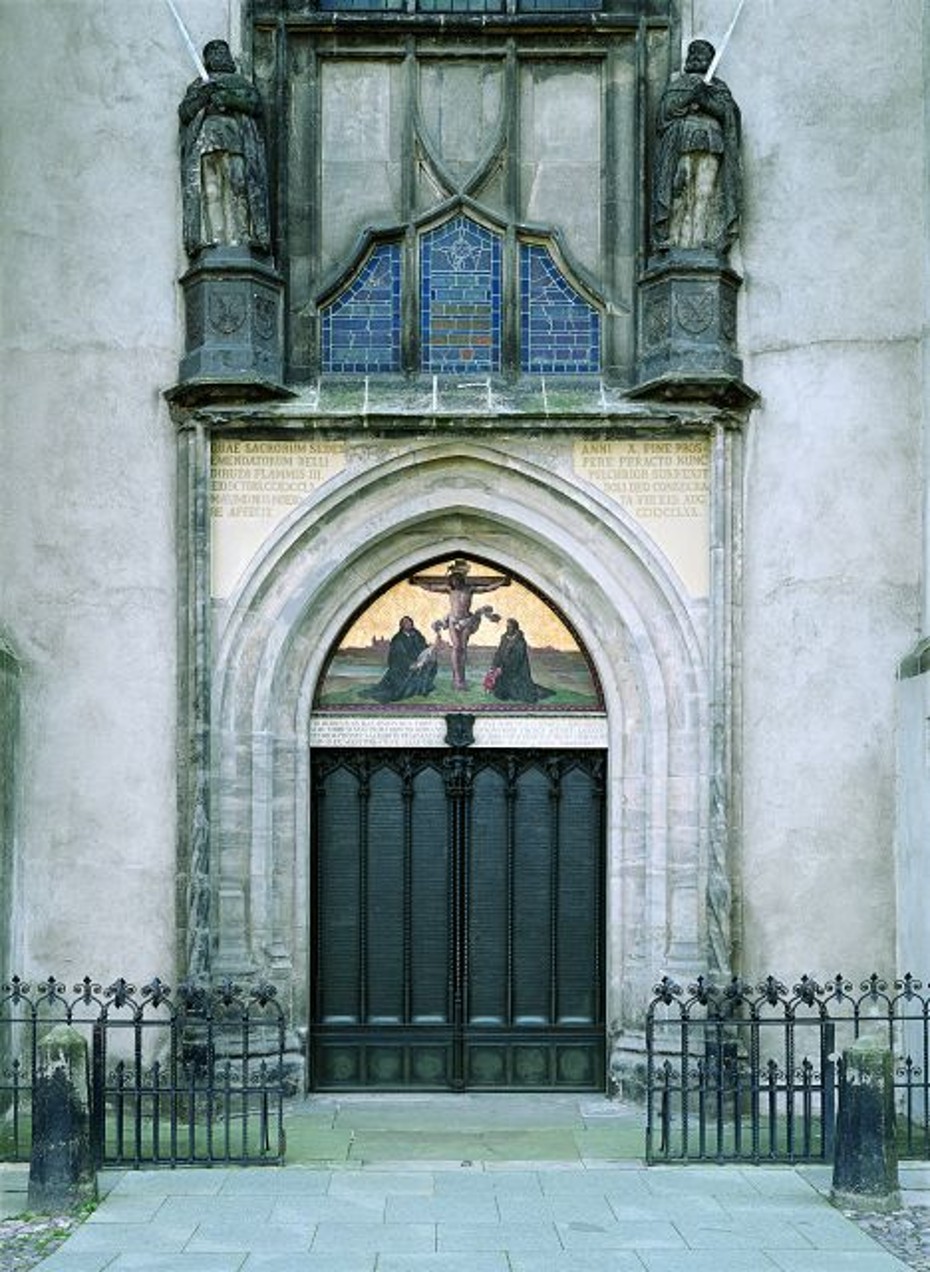
Photo source:https://www.postcard-shop.de/der-thesenanschlag-zu-wittenberg-1517?a=2647082
Photo source:https://www.postcard-shop.de/der-thesenanschlag-zu-wittenberg-1517?a=2647082
The majority of Germans are Christian (51%), with 26% being Catholic and 25% Protestant. Islam is the second largest religion in Germany (6.5%), with other religions accounting for only 1.8%. Notably, atheists, non-religious individuals, and agnostics comprise 42% of the total population. Geographically, Protestantism is concentrated in northern, central, and eastern Germany, with its followers primarily belonging to the Evangelical Church, encompassing Lutheranism, Reformed Christianity, and a union of both (tracing back to the Prussian United Church of 1817). Catholicism is mainly concentrated in the south and in the west.
Germany has a long history of higher education and is the third largest destination for international studies, reflecting its global standing as a modern economy. Some German universities have a long history, and contemporary Germany boasts eleven outstanding universities whose educational models have been adopted by many European and Western universities.
Chinese Ministry
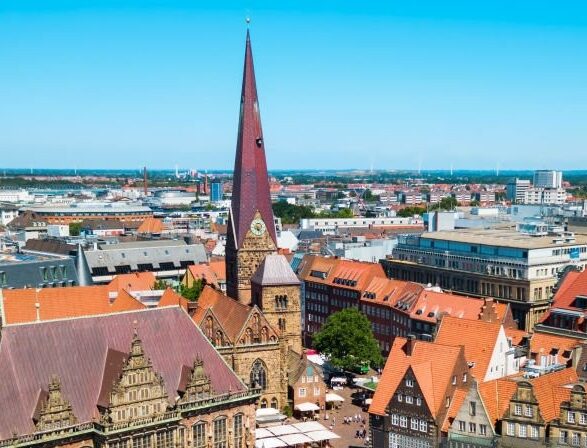
Bremen is the smallest state in Germany and one of only three city-states, covering an area of 408 square kilometers but with a population of 690,000, making it the 11th most populous state. According to 2023 statistics, there are 155,945 Chinese in Germany, of whom approximately 50,000 are international students, with Chinese students making up the largest group in Germany. There are approximately 2,000 Chinese Christians, less than 1% of the population. Chinese is an unreached people group.
In an era of globalization and immigration, we must seize the opportunities presented by studying and immigrating to share the gospel with the Chinese community and international students, allowing them to come to know the only true God through their studies, knowing Jesus Christ and faith in their lives, and have the opportunity to bring the gospel back to their families, China, and those around them.
Currently, there are approximately 70 Chinese meeting places and about 20 cross-cultural service organizations for the Chinese community in Germany. AGS's international member began evangelistic work in Bremen in 2019 and established the Bremen Chinese Christian Church in May 2023, primarily serving the Chinese community and students in Bremen. In addition, the AGS's member also assists the ministries in neighboring cities such as Osbrück, Hannover, Bielefeld, and Clausthal-Zellerfeld.